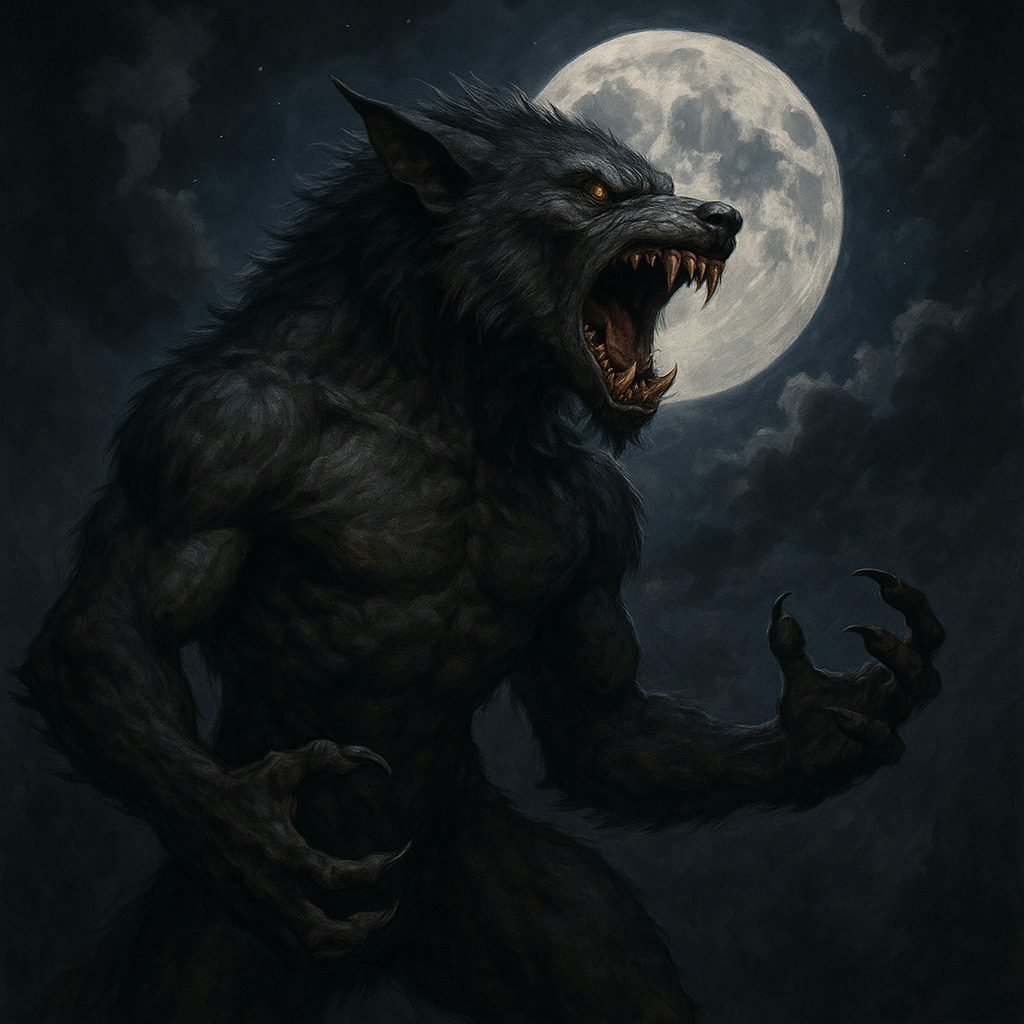
🌕 Ancient Roots of the Myth
Werewolf legends stretch back thousands of years. 410manAncient Greek mythology spoke of Lycaon, a man transformed into a wolf by Zeus as punishment for his impiety. Norse warriors known as berserkers wore wolf pelts in battle, channeling the animal’s strength and savagery.
In Eastern European folklore, werewolves were seen as cursed souls or victims of black magic—humans forced to transform into beasts under the full moon, often tormented by their condition.
🩸 How Does One Become a Werewolf?
Werewolf lore varies across cultures, but the most common paths to transformation include:
- Being bitten by another werewolf
- Falling under a curse or being born with lycanthropy
- Wearing an enchanted wolfskin or belt
In medieval times 410s didn’t exist, accusations of werewolfery were as dangerous as witchcraft. Many innocents were executed under suspicion of shapeshifting.
🧠 The Struggle of the Beast Within
The modern werewolf is more than a mindless beast—it’s a symbol of the inner battle between humanity and animal instinct. This duality is what makes the werewolf so compelling in stories.
While transformed, a werewolf typically has:
- Superhuman strength and reflexes
- Heightened senses and hunting instincts
- Vulnerability to silver weapons
This internal conflict is at the heart of most werewolf tales—from classics like The Wolf Man (1941) to darker, psychological interpretations like Ginger Snaps or The Howling.
📺 Werewolves in Pop Culture
Werewolves have stalked the screen for decades. They’re often portrayed as tragic figures—monsters with hearts, trapped by forces they can’t control.
Notable appearances include:
- The Wolf Man (1941)
- An American Werewolf in London (1981)
- Underworld (2003–2016)
- Twilight saga (2008–2012)
- Teen Wolf (TV Series, 2011–2017)
Some portray them as noble protectors, others as chaotic destroyers—but always with that primal pull of the moon.
🔮 Why We’re Still Fascinated
Werewolves represent the raw, untamed parts of ourselves: rage, desire, survival. They are both monster and metaphor—reminding us that beneath the surface of every human lies the possibility of transformation.
As long as we wrestle with our darker impulses, the werewolf legend will never truly die.