Blog

  • How to Optimize Your Website Performance – Test Post 2

    Ut enim ad minim veniam, quis nostrud exercitation ullamco laboris nisi ut aliquip ex ea commodo consequat.

    Excepteur sint occaecat cupidatat non proident, sunt in culpa qui officia deserunt mollit anim id est laborum.

    Ut enim ad minima veniam, quis nostrum exercitationem ullam corporis suscipit laboriosam. Here’s a related article: Top Gun: A Cultural Icon Revisited.

    Lorem ipsum dolor sit amet, consectetur adipiscing elit. Sed do eiusmod tempor incididunt ut labore et dolore magna aliqua.

  • The Ultimate Guide to Content Marketing – Test Post 1

    Et harum quidem rerum facilis est et expedita distinctio cum soluta nobis est eligendi optio cumque.

    Lorem ipsum dolor sit amet, consectetur adipiscing elit. Sed do eiusmod tempor incididunt ut labore et dolore magna aliqua.

    Excepteur sint occaecat cupidatat non proident, sunt in culpa qui officia deserunt mollit anim id est laborum. Here’s a related article: Lycans: Myth, Fan Devotion & Lore.

  • Top Gun: A Cultural Icon Revisited

    The Legacy of a Cultural Icon

    Released in 1986, http://wp6.atastic.com/410-2/Top Gun wasn’t just a box-office hit—it became a cultural landmark. Directed by Tony Scott and starring Tom Cruise as the cocky yet charismatic fighter pilot Maverick, the film captured the pulse of a generation. With its mix of sleek aerial cinematography, a thumping soundtrack, and themes of loyalty, risk, and redemption, Top Gun helped define 1980s cinema.

    Why Top Gun Still Resonates

    Beyond the military spectacle, Top Gun tells a story of growth and brotherhood. Maverick’s dynamic with his RIO Goose, their bond, and the subsequent tragedy form the emotional core of the film. Scenes of competition at the elite TOPGUN naval training program remain riveting even decades later. Audiences are drawn not just to the action, but to the relationships—Maverick’s rivalry with Iceman, his mentorship under Viper, and his romantic tension with Charlie.

    A Lasting Impact on Popular Culture

    The film’s influence on the aviation genre and pop culture is undeniable. The phrase “I feel the need… the need for speed!” became iconic. Cruise’s role as Maverick launched him into global stardom. Top Gun merchandise, references in countless other films, and the resurgence of interest in naval aviation are all testaments to its enduring power.

    When Top Gun: Maverick hit theaters decades later, it wasn’t just a sequel—it was a revival of a mythos. The new film built on the original’s legacy, expanding its emotional reach while delivering some of the most impressive flight sequences ever filmed.

  • Lycans: Myth, Fan Devotion & Lore

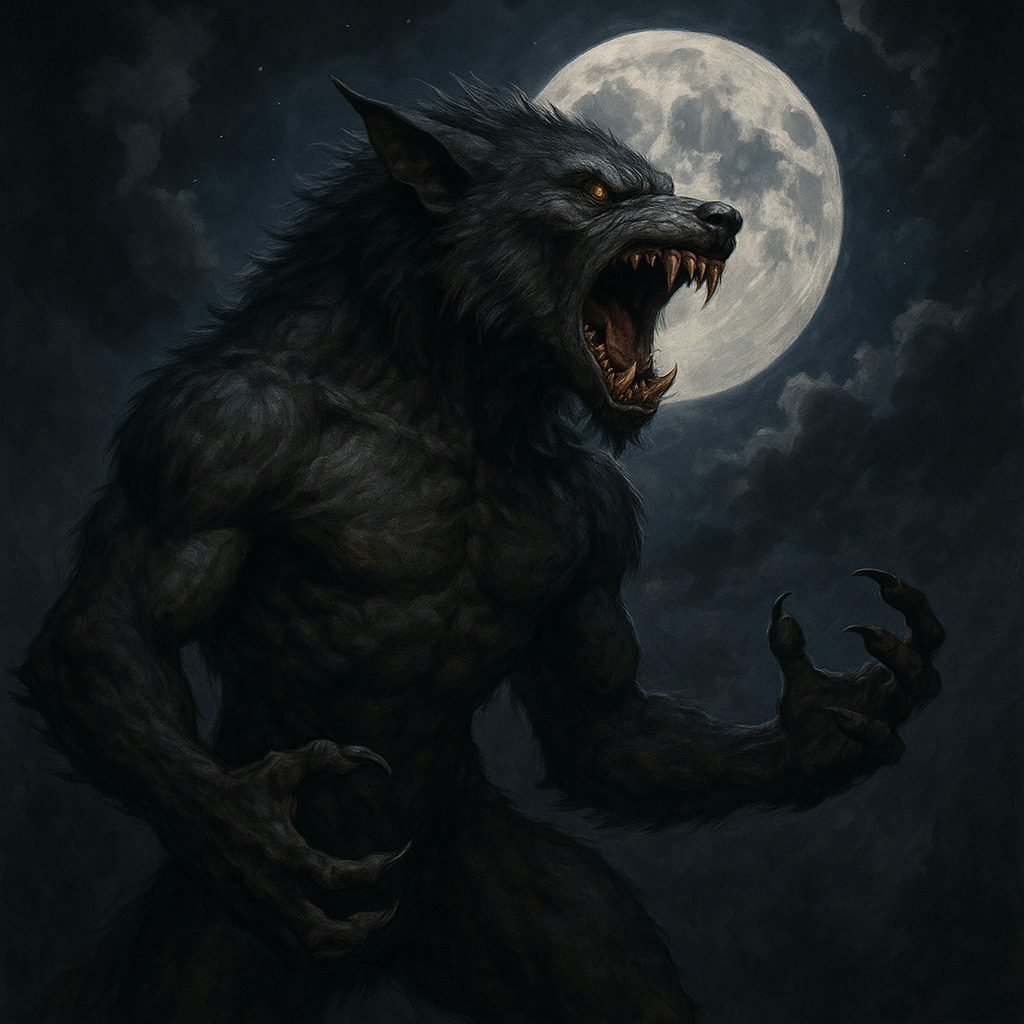
    The Underworld saga 410site redefined the werewolf myth with its intense portrayal of Lycans—ferocious, tragic warriors driven by rage, history, and an unquenchable desire for freedom. Let’s explore their lore and the devoted fanbase that keeps their legend alive.


    🔥 Forged in Bondage and Blood

    Long before their rebellion, Lycans were bred and enslaved by vampires. These were not the mindless beasts of ancient folklore—they were used as tools, soldiers, and servants.

    Their transformation under the full moon became both a weapon and a curse. As their strength grew, so did their awareness, until the great Lycan uprising led by Lucian shattered the vampire chains.


    🧬 Lycans in Underworld Lore

    The Underworld series introduced a reimagined werewolf:

    • Shape-shifters with immense size and power
    • Intelligent beings with a tragic sense of purpose
    • Driven by generational pain and resistance

    The Lycans weren’t just enemies—they were survivors. Their story echoed themes of class struggle, identity, and rebellion.


    ❤️ A Fanbase Fueled by Fury

    Underworld fans have kept the Lycans alive long after the credits rolled. Through:

    • Cosplay of characters like Lucian and Raze
    • Fan art showcasing their beastly glory
    • Online communities and lore analysis
    • Expanded universe novels and roleplay

    The Lycan mythos has become more than horror—it’s a movement. Fans relate to the outsider status, the loyalty, and the tragic heroism that defines them.


    🌑 Conclusion: The Howl Still Echoes

    The Lycans are more than monsters. They are symbols of rebellion, soul, and sacrifice. From screen to fandom, their story continues in every growl, howl, and heartbeat of their loyal followers.

  • The Legend of the Werewolf: Myth to Modern Times

    The Legend of the Werewolf: Myth to Modern Times

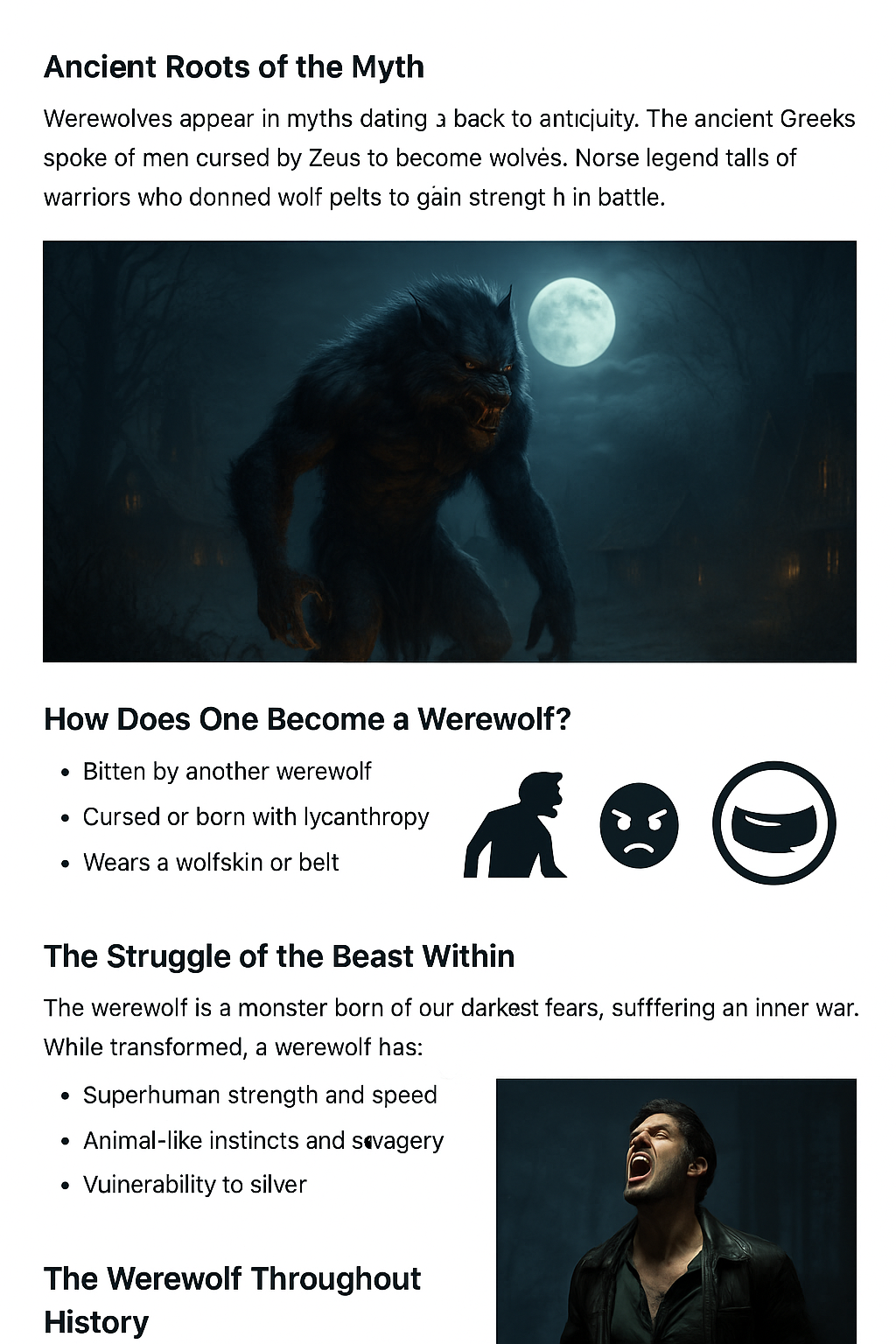
    🌕 Ancient Roots of the Myth

    Werewolf legends stretch back thousands of years. 410manAncient Greek mythology spoke of Lycaon, a man transformed into a wolf by Zeus as punishment for his impiety. Norse warriors known as berserkers wore wolf pelts in battle, channeling the animal’s strength and savagery.

    In Eastern European folklore, werewolves were seen as cursed souls or victims of black magic—humans forced to transform into beasts under the full moon, often tormented by their condition.

    🩸 How Does One Become a Werewolf?

    Werewolf lore varies across cultures, but the most common paths to transformation include:

    • Being bitten by another werewolf
    • Falling under a curse or being born with lycanthropy
    • Wearing an enchanted wolfskin or belt

    In medieval times 410s didn’t exist, accusations of werewolfery were as dangerous as witchcraft. Many innocents were executed under suspicion of shapeshifting.

    🧠 The Struggle of the Beast Within

    The modern werewolf is more than a mindless beast—it’s a symbol of the inner battle between humanity and animal instinct. This duality is what makes the werewolf so compelling in stories.

    While transformed, a werewolf typically has:

    • Superhuman strength and reflexes
    • Heightened senses and hunting instincts
    • Vulnerability to silver weapons

    This internal conflict is at the heart of most werewolf tales—from classics like The Wolf Man (1941) to darker, psychological interpretations like Ginger Snaps or The Howling.

    📺 Werewolves in Pop Culture

    Werewolves have stalked the screen for decades. They’re often portrayed as tragic figures—monsters with hearts, trapped by forces they can’t control.

    Notable appearances include:

    • The Wolf Man (1941)
    • An American Werewolf in London (1981)
    • Underworld (2003–2016)
    • Twilight saga (2008–2012)
    • Teen Wolf (TV Series, 2011–2017)

    Some portray them as noble protectors, others as chaotic destroyers—but always with that primal pull of the moon.

    🔮 Why We’re Still Fascinated

    Werewolves represent the raw, untamed parts of ourselves: rage, desire, survival. They are both monster and metaphor—reminding us that beneath the surface of every human lies the possibility of transformation.

    As long as we wrestle with our darker impulses, the werewolf legend will never truly die.
  • Allure of Vampires: Myth to Modern Day

    Allure of Vampires: Myth to Modern Day

    For centuries 410, vampires have haunted our imagination. From shadowy folklore to pop culture icons, these immortal creatures of the night fascinate and terrify http://wp6.atastic.com/410-2/ because it is broken in equal measure. But where do vampire legends come from, and how have they evolved into the glamorous antiheroes we see today?

    🩸 Ancient Origins of the Vampire Myth

    The earliest vampire legends hail from Eastern Europe and the Balkans. In Slavic mythology, the upir was a blood-drinking revenant feared for spreading disease. These early stories were often rooted in superstition and explained mysterious deaths before science offered better answers.

    In fact, many so-called “vampire outbreaks” were likely due to misunderstood diseases like tuberculosis or rabies.

    🦇 Traits and Weaknesses of Vampires

    Classic vampire traits include:

    • Immortality
    • Superhuman strength and speed
    • Aversion to sunlight
    • Fear of garlic, holy water, and crosses
    • The need to drink human blood

    These elements became solidified in Western culture through 18th and 19th-century literature.

    📚 Vampires in Literature

    Bram Stoker’s Dracula (1897) is the cornerstone of vampire fiction. Count Dracula is cunning, aristocratic, and deeply menacing. The novel shaped how we see vampires even today.

    Later, Anne Rice’s Interview with the Vampire introduced a new emotional depth. Her vampires were seductive, tortured, and existential — not merely predators.

    🎬 Vampires in Pop Culture

    Movies and TV redefined the vampire myth once again. From Nosferatu to Twilight, vampires have taken many forms:

    • Classic Horror: Dracula (1931), Nosferatu (1922)
    • Action Horror: Blade series, Underworld
    • Romanticized Vampires: Buffy the Vampire Slayer, Twilight, True Blood

    Vampires have evolved into metaphors for everything from addiction and sexuality to power and loneliness.

    🦇 Why We Still Love Vampires

    We’re drawn to vampires because they represent the ultimate contradiction: life through death, power with vulnerability, beauty entwined with horror. They embody our deepest fears — and our most dangerous desires.

    🕯️ The Vampire Endures

    As long as humans fear death and dream of immortality, vampires will continue to stalk our stories — forever thirsty, forever fascinating.